Page Not Found
Page not found. Your pixels are in another canvas.
A list of all the posts and pages found on the site. For you robots out there is an XML version available for digesting as well.
Page not found. Your pixels are in another canvas.
Published:
This post will show up by default. To disable scheduling of future posts, edit config.yml and set future: false.
Published:
This is a sample blog post. Lorem ipsum I can’t remember the rest of lorem ipsum and don’t have an internet connection right now. Testing testing testing this blog post. Blog posts are cool.
Published:
This is a sample blog post. Lorem ipsum I can’t remember the rest of lorem ipsum and don’t have an internet connection right now. Testing testing testing this blog post. Blog posts are cool.
Published:
This is a sample blog post. Lorem ipsum I can’t remember the rest of lorem ipsum and don’t have an internet connection right now. Testing testing testing this blog post. Blog posts are cool.
Published:
This is a sample blog post. Lorem ipsum I can’t remember the rest of lorem ipsum and don’t have an internet connection right now. Testing testing testing this blog post. Blog posts are cool.
Control systems, embedded software and algorithms for SharkNinja coffee, carbonation, cooking, frozen treat, blender and Shark beauty products.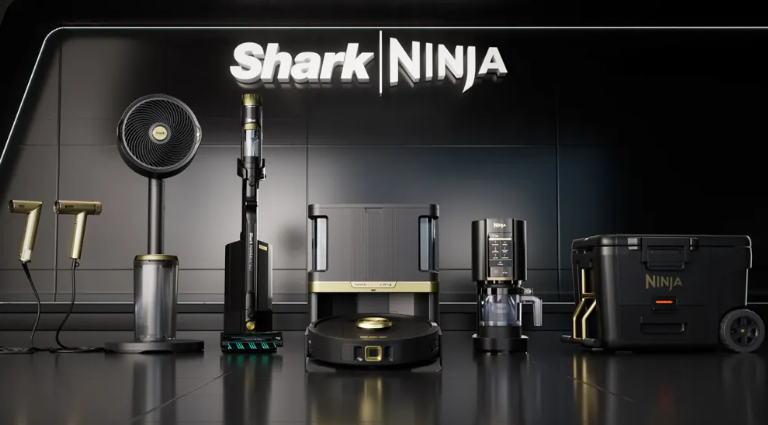
LLM-assisted workflows standardized across the controls team, Control Flow architecture diagrams generated instead of hand-drawn, and an internal telemetry diagnostic tool for non-engineers.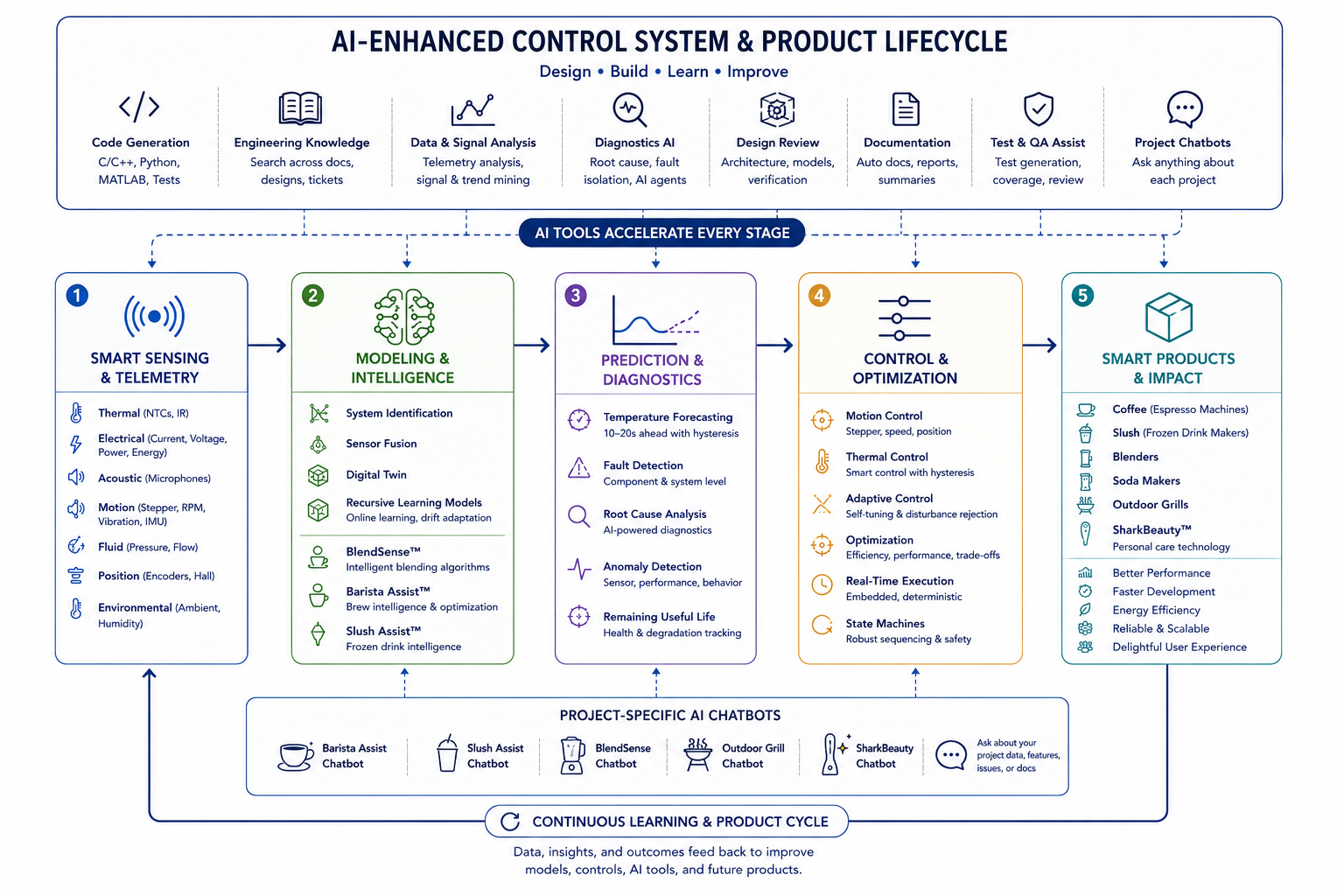
Led development of barista assist technology, milk froth control algorithms, and temperature control systems for the Ninja Luxe Cafe series.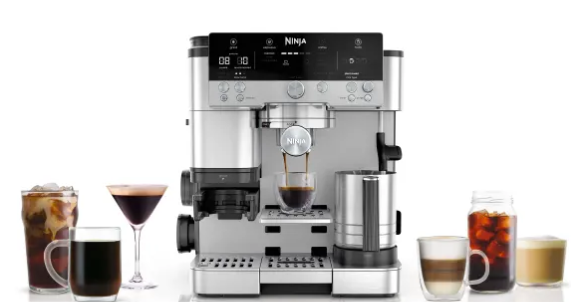
Designed and shipped controllers and embedded algorithms (cascade temperature control, flow control, failure detection, altitude calibration) into four Ninja coffee and tea products from prototype through mass production.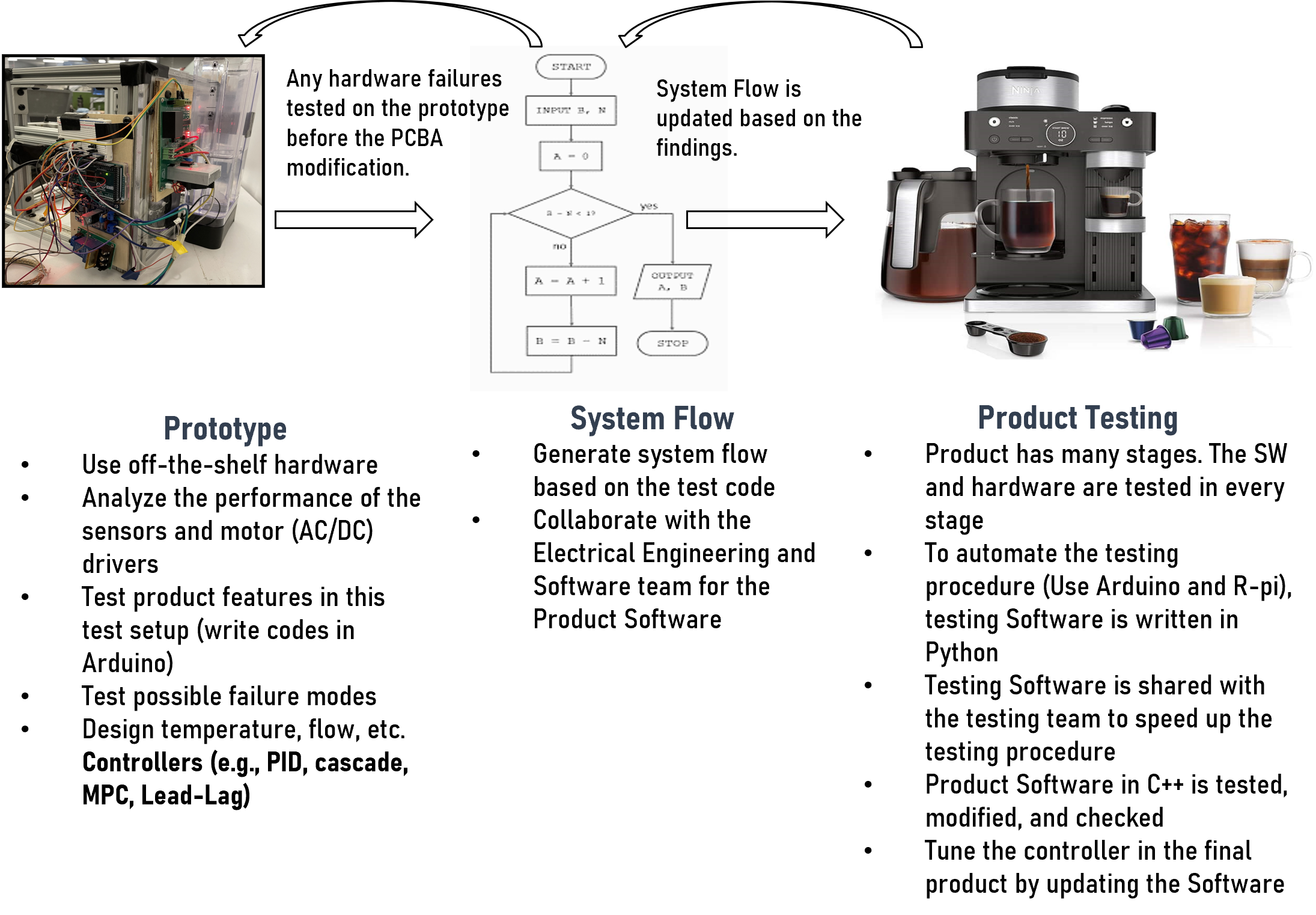
Led controls and algorithm development for the Ninja Thirsti carbonated beverage platform (three product generations shipped). Three patents pending covering CO₂ estimation, liquid-temperature detection, and carbonation system architecture.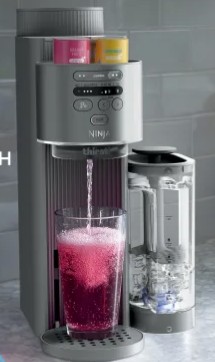
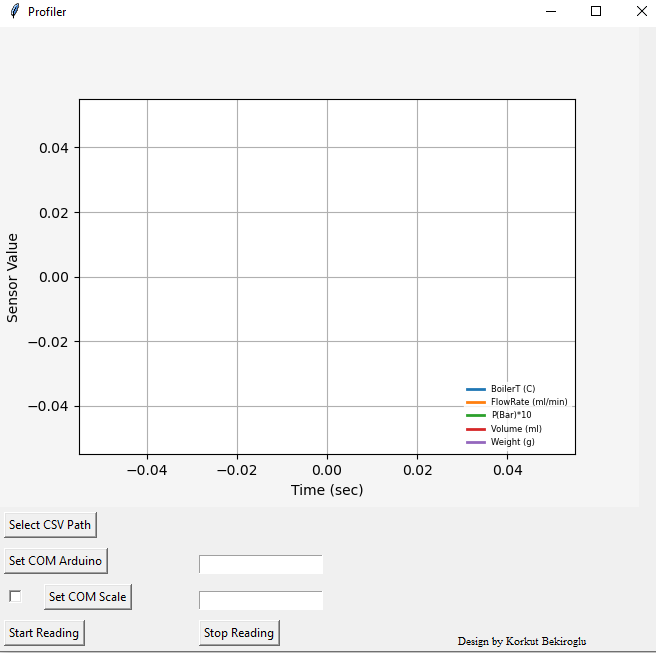
Built the internal Python/Serial data-collection GUI and sensor profiler used across SharkNinja beverage and heated-product R&D. Real-time MCU communication, CSV logging, live plotting. Early SharkNinja project (Senior Systems Engineer, 2022); still used across product lines today.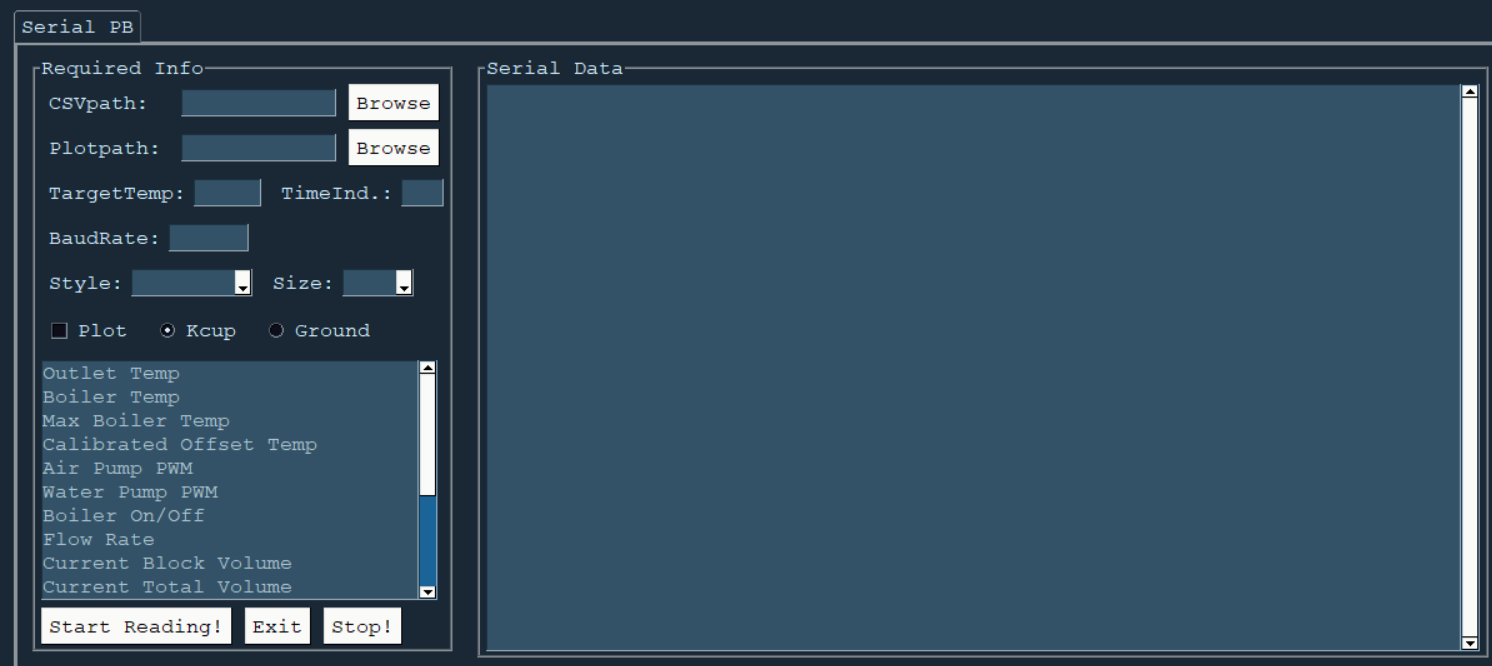
Externally-funded research (Assistant Professor, SUNY Poly): a low-cost IoT platform for wireless structural monitoring of asphalt pavement. Solar-powered edge nodes, LTE/4G uplink, AWS backend. Published at IEEE iThings 2021.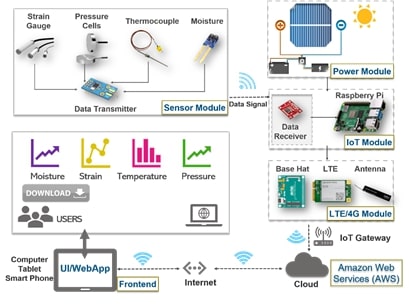
Distributed MPC and IoT platform for commercial-building HVAC, deployed on an 85-zone pilot at Nanyang Technological University. Delivered 12 to 13% measured energy savings in occupied space.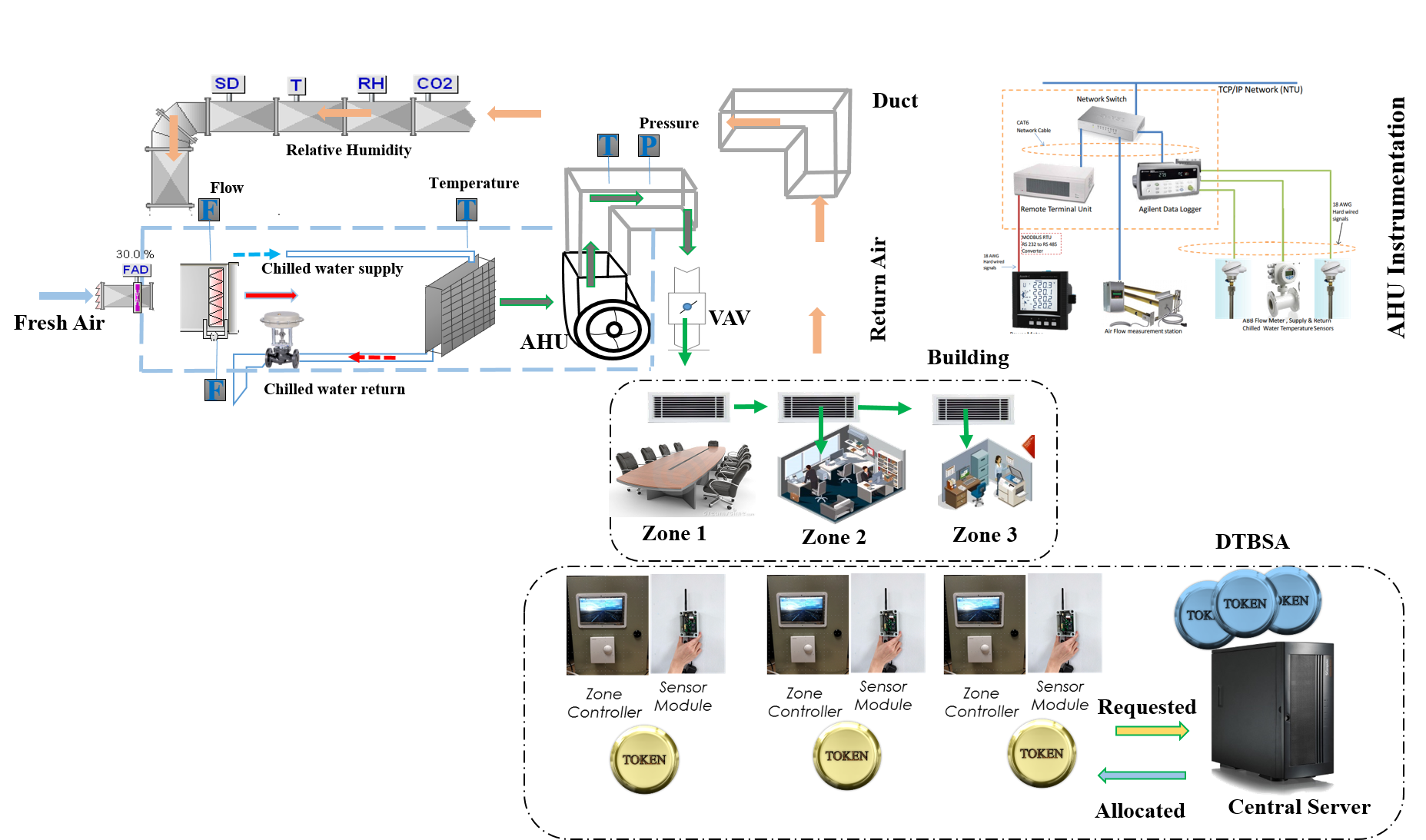
PhD dissertation research at Penn State (2010–2015): sparse and randomized system identification algorithms for noisy, incomplete data, with applied deployments across behavioral health, radar tracking, thermal modeling, and forecasting.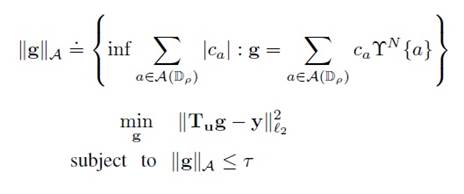
Cross-disciplinary research at SUNY Polytechnic Institute (Assistant Professor, 2018–2021), collaborating with CS colleagues in Research Group X∞ on anomaly and fault detection algorithms for cyber-physical systems and IoT.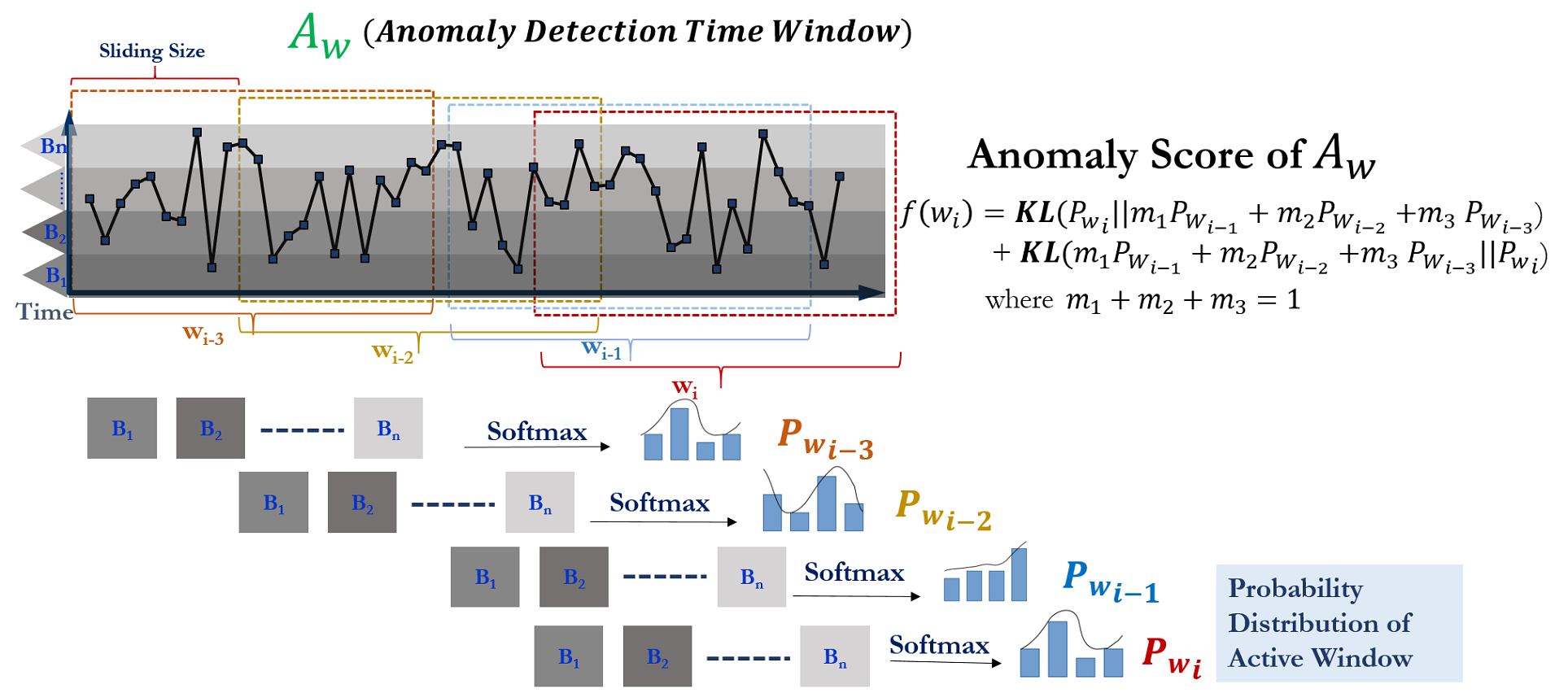
Published in Journal of Consulting and Clinical Psychology, 2014
Adaptive intensive interventions are introduced and new methods from the field of control engineering for use in their design are illustrated.
Recommended citation: Lagoa, C. M., Bekiroglu, K., Lanza, S. T., & Murphy, S. A. (2014). Designing adaptive intensive interventions using methods from engineering. Journal of Consulting and Clinical Psychology, 82(5), 868–878. https://doi.org/10.1037/a0037736 https://www.ncbi.nlm.nih.gov/pmc/articles/PMC4176810/
Published in Turkish Journal of Electrical Engineering & Computer Sciences, 2016
The objective of this study is twofold: to approximate a model of a blimp, and to use this model to develop a setup to track a target with the blimp that is outfitted with a wireless camera and radio-controlled propellers.
Recommended citation: Bekiroglu, K., Sznaier, M., Lagoa, C., & Shafai, B. (2016). Computer vision-based control of an autonomous blimp. Turkish Journal of Electrical Engineering and Computer Sciences, 24(5), 4015-4026. https://journals.tubitak.gov.tr/cgi/viewcontent.cgi?article=2548&context=elektrik
Published in IEEE Transactions on Control Systems Technology, 2017
A robust control approach is used to address the problem of adaptive behavioral treatment design.
Recommended citation: Bekiroglu, K., Lagoa, C., Murphy, S. A., & Lanza, S. T. (2016). Control engineering methods for the design of robust behavioral treatments. IEEE Transactions on Control Systems Technology, 25(3), 979-990. https://ieeexplore.ieee.org/ielaam/87/7876877/7501575-aam.pdf
Published in Drug and Alcohol Dependence, 2017
Applied system identification and dynamical-systems modeling to evaluate the effect of smoking cessation treatment on individual behavioral trajectories, using intensive longitudinal data from the miLife study.
Recommended citation: Bekiroglu, K., Russell, M. A., Lagoa, C. M., Lanza, S. T., & Piper, M. E. (2017). Evaluating the effect of smoking cessation treatment on a complex dynamical system. Drug and Alcohol Dependence, 180, 215-222. https://www.sciencedirect.com/science/article/abs/pii/S0376871617304234
Published in IEEE Transactions on Automatic Control, 2017
Algorithms for parsimonious linear time invariant system identification aimed at identifying low-complexity models which i) incorporate aprioriknowledge on the system (e.g., stability), ii) allow for data with missing/nonuniform measurements, and iii) are able to use data obtained from several runs of the system with different unknown initial conditions.
Recommended citation: Yılmaz, B., Bekiroglu, K., Lagoa, C., & Sznaier, M. (2017). A randomized algorithm for parsimonious model identification. IEEE Transactions on Automatic Control, 63(2), 532-539. https://ieeexplore.ieee.org/document/7970196
Published in Journal of Nondestructive Evaluation, 2017
The second order equation of motion assumption in the modeling of the impact resonance test response was evaluated for asphalt concrete testing.
Recommended citation: Boz, I., Bekiroglu, K., Solaimanian, M., Tavassoti-Kheiry, P., & Lagoa, C. (2017). Validation of model order assumption and noise reduction method for the impact resonance testing of asphalt concrete. Journal of Nondestructive Evaluation, 36(3), 1-13. https://link.springer.com/article/10.1007/s10921-017-0436-2
Published in Applied Energy, 2018
An automated model estimation and selection algorithm is proposed.
Recommended citation: Bekiroglu, K., Duru, O., Gulay, E., Su, R., & Lagoa, C. (2018). Predictive analytics of crude oil prices by utilizing the intelligent model search engine. Applied Energy, 228, 2387-2397. https://www.sciencedirect.com/science/article/abs/pii/S0306261918311000
Published in IEEE Transactions on Aerospace and Electronic Systems, 2018
A target/ghost classifier for passive radar bearing-only tracking, based on the observation that a ghost trajectory is a function of two target trajectories and therefore of higher rank in the Hankel matrix sense.
Recommended citation: Bekiroglu, K., Ayazoglu, M., Lagoa, C., & Sznaier, M. (2018). Hankel matrix rank as indicator of ghost in bearing-only tracking. IEEE transactions on aerospace and electronic systems, 54(6), 2713-2723. https://ieeexplore.ieee.org/document/8340803
Published in Applied Energy, 2019
This paper presents the Internet of Things (IoT) prototype which implements a smart and scalable control approach called the Smart-Token Based Scheduling Algorithm (Smart-TBSA) to minimize energy in commercial building HVAC systems.
Recommended citation: Png, E., Srinivasan, S., Bekiroglu, K., Chaoyang, J., Su, R., & Poolla, K. (2019). An internet of things upgrade for smart and scalable heating, ventilation and air-conditioning control in commercial buildings. Applied Energy, 239, 408-424. https://www.sciencedirect.com/science/article/abs/pii/S0306261919302582?dgcid=coauthor#!
Published in IEEE Aerospace and Electronic Systems Magazine, 2019
Optimal sensor placement has emerged as key. Here we examine it and propose Sensor Placement Algorithm with Range Constraints (SPARC) as a potential solution.
Recommended citation: Visalini, K., Subathra, B., Srinivasan, S., Palmieri, G., Bekiroglu, K., & Thiyaku, S. (2019). Sensor placement algorithm with range constraints for precision agriculture. IEEE Aerospace and Electronic Systems Magazine, 34(6), 4-15. https://ieeexplore.ieee.org/document/8786990/authors#authors
Published in International Journal of Control , 2019
The developed algorithm provides an effective way to leverage these ‘non-standard’ datasets to identify continuous time dynamical models that are compatible with a-priori information available on the process.
Recommended citation: Bekiroglu, K., Russell, M. A., Lagoa, C., Su, R., Sznaier, M., Lanza, S. T., & Odgers, C. L. (2021). Continuous-time model identification: application on a behavioural (miLife) study. International Journal of Control, 94(9), 2318-2329. https://www.tandfonline.com/doi/abs/10.1080/00207179.2019.1706101
Published in IEEE/CAA Journal of Automatica Sinica, 2020
This paper presents an approach to recursively estimate the simplest linear model that approximates the time-varying local behaviors from imperfect (noisy and incomplete) measurements in the internet of things (IoT) based distributed decision-making problems.
Recommended citation: Bekiroglu, K., Srinivasan, S., Png, E., Su, R., & Lagoa, C. (2020). Recursive approximation of complex behaviours with IoT-data imperfections. IEEE/CAA Journal of Automatica Sinica, 7(3), 656-667. https://ieeexplore.ieee.org/abstract/document/9080611
Published in IET Electric Power Applications, 2020
This study presents an extremum seeking‐proportional–integral and derivative (ES‐PID) controller design for brushless direct current motors and its implementation in electric vehicles.
Recommended citation: Ramaraj, R., Dharmaraj, G., Srinivasan, S., Balasubramanian, S., Periyasamy, M., & Bekiroglu, K. (2020). Real‐time extremum seeking controller for brushless DC hub motors in electric vehicles. IET Electric Power Applications, 14(12), 2438-2449. https://ietresearch.onlinelibrary.wiley.com/doi/pdf/10.1049/iet-epa.2020.0117
Published in Renewable Energy, 2020
This paper presents an eXplainable Fault Detection Systems (XFDS) for incipient faults in PV panels.
Recommended citation: Sairam, S., Seshadhri, S., Marafioti, G., Srinivasan, S., Mathisen, G., & Bekiroglu, K. (2022). Edge-based Explainable Fault Detection Systems for photovoltaic panels on edge nodes. Renewable Energy, 185, 1425-1440. https://www.sciencedirect.com/science/article/abs/pii/S0960148121015226
Published in IEEE Transactions on Engineering Management, 2020
This article investigates the predictability of dry bulk shipments’ physical shipping costs while testing the predictive significance of derivative products. Accordingly, a comprehensive grid search procedure is needed to simulate combinations of model structures subject to a cross-validation process.
Recommended citation: Duru, O., Gulay, E., & Bekiroglu, K. (2021). Predictability of the physical shipping market by freight derivatives. IEEE Transactions on Engineering Management. https://ieeexplore.ieee.org/abstract/document/9321714
Published in Knowledge-Based Systems, 2021
This paper proposes a dynamic ensemble algorithm to combine forecasting results from multiple methodologies subject to their local (recent) predictive performance.
Recommended citation: Bekiroglu, K., Gulay, E., & Duru, O. (2022). A multi-method forecasting algorithm: Linear unbiased estimation of combine forecast. Knowledge-Based Systems, 239, 107990. https://www.sciencedirect.com/science/article/abs/pii/S0950705121011059?dgcid=author
Published in IEEE MultiMedia, 2022
In this article, we investigate the role of multimedia data to enable the advanced control techniques that could personalize AP in elderly type 2 diabetes patients.
Recommended citation: S. Keshary, P. T, K. Bekiroglu, S. Seshadhri and S. Srinivasan (2022). Multimedia Data-Based Artificial Pancreas for Type 2 Diabetes. IEEE MultiMedia, vol. 29, no. 1, pp. 18-27, 1 Jan.-March 2022. https://ieeexplore.ieee.org/abstract/document/9721600
Published in Journal of Clinical Medicine., 2023
This paper presents a human digital twin (HDT) framework to manage E-T2D that exploits various patient-specific data and builds a suite of models exploiting the data for prediction and management to personalize diabetes treatment in E-T2D patients.
Recommended citation: Thamotharan, P.; Srinivasan, S.; Kesavadev, J.; Krishnan, G.; Mohan, V.; Seshadhri, S.; Bekiroglu, K.; Toffanin, C. Human Digital Twin for Personalized Elderly Type 2 Diabetes Management. J. Clin. Med. 2023, 12, 2094. https://www.mdpi.com/2077-0383/12/6/2094
Published in IEEE Computer., 2024
We propose TRAINER, a TRustworthy Artificial Intelligence-based iNsulin recommendER for elderly individuals with type 2 diabetes, ensuring reliability and trust in insulin dosage recommendations. TRAINER exemplifies this trustworthiness and addresses such concerns by offering reliable insulin recommendations supported by clinical evidence.
Recommended citation: Padmapritha, T., Korkut Bekiroglu, Subathra Seshadhri, and Seshadhri Srinivasan. "Trustworthy AI-Based Personalized Insulin Recommender for Elderly People Who Have Type-2 Diabetes." Computer 57, no. 3 (2024): 35-45. https://ieeexplore.ieee.org/abstract/document/10461645
Published in Expert Systems with Applications., 2025
Investigates Hankel matrix and Wavelet denoising for volatility datasets (squared returns) in S&P 500 and Bitcoin, preserving systemic impulses while filtering sporadic noise to improve post-sample forecasting accuracy.
Recommended citation: Emrah Gulay, Omer Burak Akgun, Korkut Bekiroglu, Okan Duru. "Predictive performance of denoising algorithms in S&P 500 and Bitcoin returns." Expert Systems with Applications 260 (2025): 125400. https://www.sciencedirect.com/science/article/abs/pii/S095741742402267X
Published:
Published:
Undergraduate course, SUNY Polytechnic Institute, Electrical/Computer Engineering Technology, 2021
Taught - (S21): Introduction to programming with MATLAB and Python. Provides to basic properties of the MATLAB/Python, a powerful programming language and development tool for different disciplines, and programming concepts for engineers for various engineering application.
Undergraduate course, SUNY Polytechnic Institute, Electrical/Computer Engineering Technology, 2021
Taught - (F19, F20): Introduction to theory, analysis and design of electric circuits. Units and definitions. Ohm’s Law and Kirchhoff’s Laws. Analysis of resistive circuits. Circuit analysis using superposition, nodal and mesh methods, Norton Thevenin theorems, and current and voltage divider rules. Transient and sinusoidal steady state response of circuits containing resistors, capacitors, and inductors.
Undergraduate course, SUNY Polytechnic Institute, Electrical/Mechanical Engineering Technology, 2021
Taught - (S20, F20, F21): Introduction to programming with MATLAB. Provides to basic properties of the MATLAB, a powerful programming language and development tool for different disciplines, and programming concepts for engineers for various engineering application. Students will be doing sample MATLAB engineering problems in real time.
Undergraduate course, SUNY Polytechnic Institute, Electrical Engineering Technology, 2021
Taught - (F18, S19, F19, F20, S21, F21): Basic control systems studied using Laplace transforms. Principles of electro-mechanical control systems (electrical and mechanical), measuring means, components and their characteristics, and controller characteristics. Analysis of a control system by the frequency/phase responses and stability criteria.
Undergraduate course, SUNY Polytechnic Institute, Electrical/Mechanical Engineering Technology, 2021
Taught - (F19, S20): This course is an introduction to designing mechatronic systems, which require integration of the mechanical and electrical engineering disciplines within a unified framework. There are significant project-based design experiences. Topics covered in the course include: fundamental of electronics, 2D/3D drawing, sensor technology, actuators, principles of mechatronics, low-level interfacing of software with hardware, DC stepper motors and control.
Undergraduate course, SUNY Polytechnic Institute, Electrical/Computer Engineering Technology, 2021
Taught - (S19, S21): In this course, the students will develop an understanding of the basic principles of automatic control theory, with emphasis on time and frequency domain methods. The principle of the elements of control systems will be implemented in Python and/or MATLAB. The coding and representing the automatic control algorithms will be applied to case-studies (Temperature Control in this course) for various engineering problems. Data fitting and differential equation representation of systems from several engineering disciplines will be studied. The students will study the principle elements of control systems such as: Sensors, Controls (P, PI and PID), and Actuators and test them in lab environment.
Advising, SUNY Polytechnic Institute, Computer Science, 2021
Gnana Nishitha Chowdary Aluri (Master student at Computer Science, F19, S20, F20)
Advising, SUNY Polytechnic Institute, Computer Science, 2021
Underraduate Student Advising